
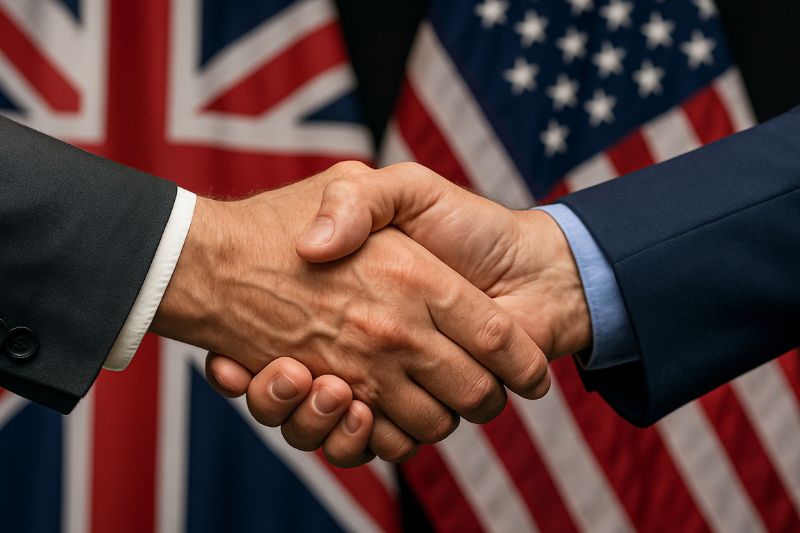
The UK and US have agreed to deepen cooperation on medical device regulation, aiming to strengthen alignment between their regulatory systems.
The move is intended to reduce duplication for manufacturers operating across both markets.
Announced by the UK Government on 13 April 2026, the initiative builds on wider pharmaceutical and life sciences collaboration.
It will strengthen coordination between regulators, including shared approaches to standards, safety assessment and emerging technologies, with a focus on harmonising expectations for safety, performance and quality..
The cooperation is expected to support more consistent approval pathways.
What could the regulatory alignment mean for cleanrooms?
While primarily regulatory in scope, the agreement may affect manufacturers operating in highly controlled production environments, including medical device makers that rely on validated processes and strict environmental controls for compliance.
Many medical devices regulated in both the UK and US are produced under tightly controlled conditions, often within ISO-classified cleanrooms, where contamination control, environmental monitoring and quality system compliance form a key part of production requirements.
Greater regulatory alignment could reduce differences in documentation requirements, inspection expectations and technical submissions between the UK’s MHRA and the US Food and Drug Administration.
The initiative also forms part of broader efforts by both governments to modernise medical device regulation, including improved post-market surveillance and increased use of international reliance pathways for trusted regulatory decisions.
Officials said the collaboration is intended to support innovation and improve patient access to medical technologies, while maintaining robust safety standards in both jurisdictions.


