On 24 April 2024, the EU Parliament adopted new measures to make packaging more sustainable and reduce packaging waste in the EU. The EU Council also needs to formally approve the agreement before it can enter into force. Nevertheless, in an effort to reduce the environmental impact of plastic waste and promote the circular economy, the Dutch government has announced in a National Circular Plastics Standard (currently available in a concept version and open for reactions) that starting in 2027, all plastics produced in the Netherlands must consist of 15% recycled or biobased plastic.
The NCPN concerns plastic polymers that are processed in the Netherlands (by converters or parties that make partial or end products (including packaging) from them). This new Dutch standard aims to reduce the use of fossil resources, minimise waste, and increase the deployment of sustainable materials.
This article focuses specifically on bioplastics, explaining the different types and their characteristics, along with considerations for special packaging requirements in cleanrooms.
Getting the definitions straight in green plastic
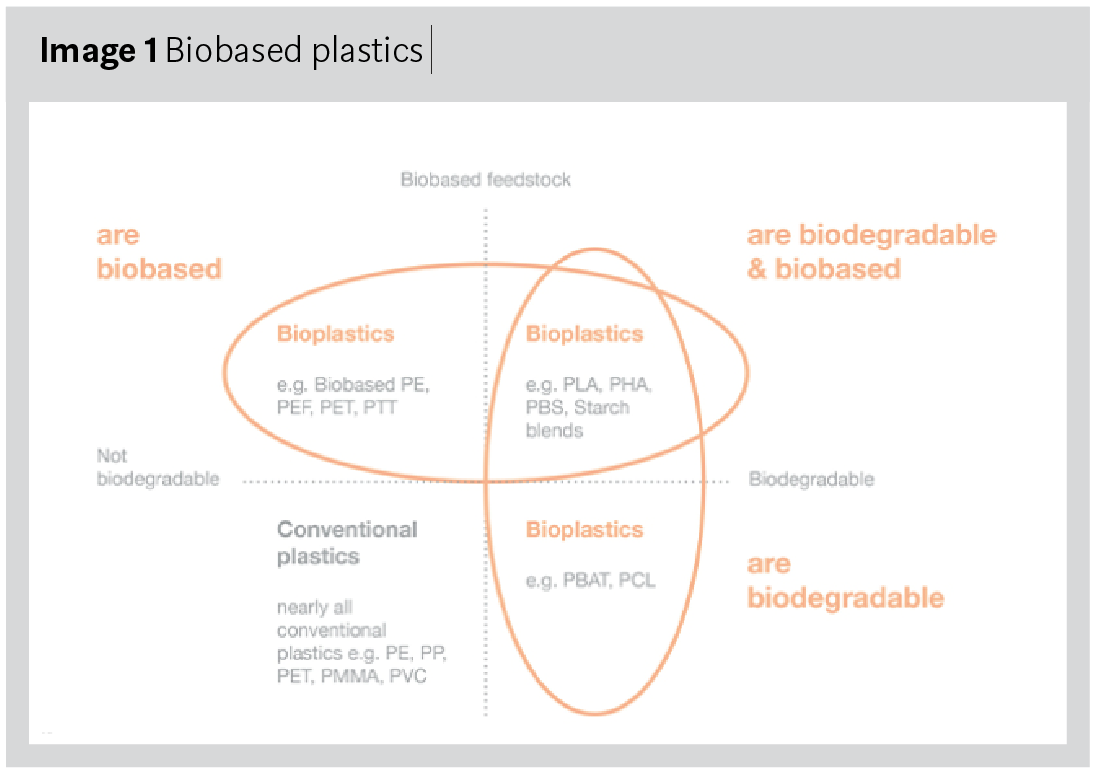
Bioplastics are plastics that are completely or partially made from biological materials OR are biodegradable. Conventional plastics which are biodegradable are thus also called bioplastics, making it very confusing! In 2023, bioplastics accounted for only 1% to 3% of total plastic use, while 97% to 99% of plastics are still fossil-based. The goal is to achieve 100% renewable plastics by 2050. Bioplastics can be divided into three main categories:
Biobased plastics (not to be confused with Bioplastics): The term ‘biobased’ describes what the product is made from. These plastics are made from renewable (meaning they grow back in a short period) biological sources such as plants, sugars, and starch. In short, it includes all materials that come directly from nature. Some are used directly, such as insulation materials in construction. Others are used as raw materials for biobased products, such as PLA, bioplastic, or biobased resin.
The use of biobased plastics would be a significant step forward compared to plastics from non-renewable sources. It reduces the contribution to greenhouse gas (CO2eq) emissions from the combustion of fossil resources, thereby lessening the pressure on the climate. Additionally, biobased materials have the significant advantage of sequestering CO2.
Biodegradable plastics are plastics which can be broken down by microorganisms into water, carbon dioxide (or methane), and biomass under natural conditions. Biodegradable plastics can be biobased or fossil-based. The term ‘biodegradable’ describes the end of the product’s lifecycle: how it is processed afterward. If something is biodegradable, it means that fungi and bacteria can break down the material until nothing remains. However, the rate of degradation varies by material. It can take years for biobased plastic to decompose fully. Waste processing facilities are not always equipped to handle these extended breakdown periods, resulting in biodegradable waste sometimes being incinerated.
Compostable plastics: A subset of biodegradable plastics that break down completely under compostable conditions within a specified time period without leaving harmful residues. Compostable plastics can be biobased or conventional plastics.