

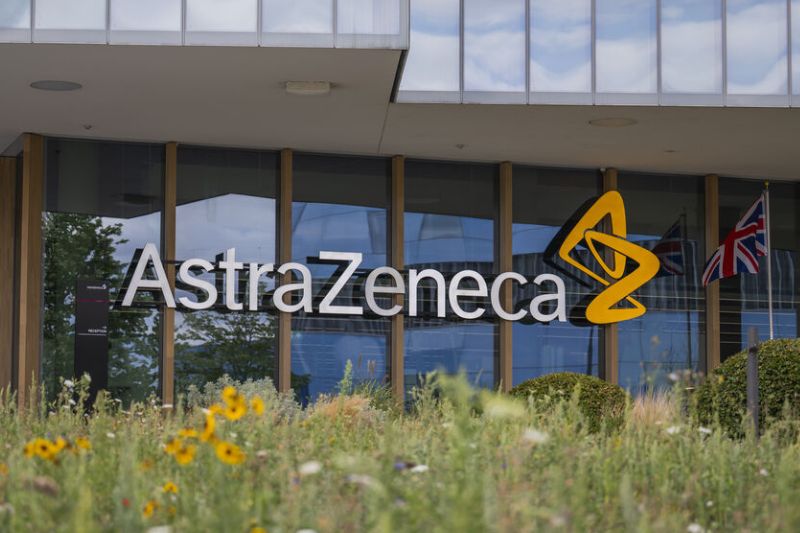
AstraZeneca has announced plans to invest $15bn in China through 2030 to expand its research, development and manufacturing capabilities.
The programme will support early-stage research, clinical development, and the production of advanced therapies.
The announcement was made during UK Prime Minister Keir Starmer’s visit to China, who said the investment would “help the British manufacturer continue to grow, supporting thousands of UK jobs” and strengthen research and development collaborations between the UK and China.
The announcement comes after AstraZeneca paused plans for a £200m expansion at its research site in Cambridge, and abandoned plans for a £450m vaccine plant in Merseyside last year.
Bolstering capacity for cell therapies
A key focus of the investment is the expansion of cell therapy and radioconjugate capabilities, with AstraZeneca aiming to establish end-to-end cell therapy operations in China.
This would make it the first global biopharmaceutical company with fully integrated cell therapy capabilities in the country.
The move builds on AstraZeneca’s 2024 acquisition of Gracell Biotechnologies, which added cell therapy expertise and infrastructure to its portfolio.
Expansion of R&D infrastructure
AstraZeneca will continue to develop its research centres in Beijing and Shanghai, which support drug discovery, clinical development and collaboration with local healthcare providers.
The company said it works with more than 500 hospitals across China, contributing to both domestic and global clinical programmes.
Further investment will strengthen translational research and accelerate the development of new medicines.
Manufacturing network upgrades
The investment programme includes upgrades and expansion across AstraZeneca’s manufacturing network in Wuxi, Taizhou, Qingdao and Beijing, which produce medicines for both the domestic market and exports to over 70 countries.
Additional manufacturing projects are planned, although new site or production line details have not been disclosed.
AstraZeneca expects its workforce in China to grow to more than 20,000 employees by 2030.
The China expansion comes as AstraZeneca, like Merck and Eli Lilly, has scaled back or paused some major investments in the UK, reflecting a shift in global pharmaceutical investment priorities.
Partnerships and collaborations
Alongside internal expansion, AstraZeneca will continue to work with Chinese biotechnology companies and research institutions.
Existing partnerships include AbelZeta, CSPC, Harbour BioMed, Jacobio and Syneron Bio, covering areas such as oncology, immunology and rare diseases.
Collaboration with academic institutions and international partners will remain a key part of AstraZeneca’s innovation strategy in China.
The expanded R&D and manufacturing base is intended to support both domestic healthcare needs and AstraZeneca’s global supply chain.


