

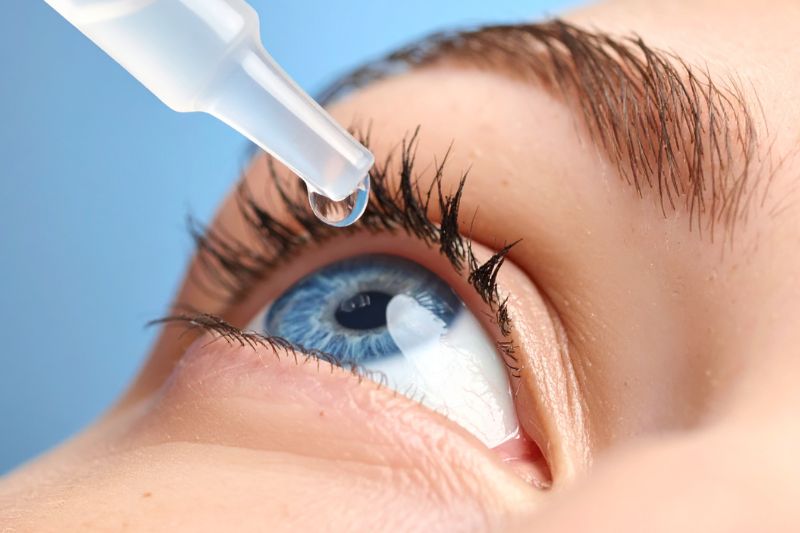
The US Food and Drug Administration has recalled more than 3.1 million bottles of over-the-counter eye drops manufactured by K.C. Pharmaceuticals.
The recall, initiated in March 2026 and reported in early April, has been classified as Class II due to a “lack of assurance of sterility”.
A failure in “assurance” points to gaps not necessarily in outcome, but in validation, monitoring or procedural discipline, areas that regulators have increasingly targeted in inspections.
The recall does not cite confirmed microbial contamination or reported injuries, and was issued through an enforcement report.
The types of eye drops included in the recall are Artificial Tears, Dry Eye Relief, Ultra Lubricating Eye Drops, and Redness Relief.
The recall may trigger voluntary returns from pharmacies, distributors, and retailers, as well as increased monitoring of affected batches by the FDA.
The FDA could issue follow-up actions such as Form 483 observations or warning letters if inspections identify gaps in the facility’s cleanroom practices, environmental monitoring, or quality systems.
What role did cleanroom conditions play in the recall?
The incident comes amid sustained regulatory focus on cleanroom conditions in ophthalmic drug manufacturing.
The FDA has, over the past two years, issued a series of warnings and recalls linked to insanitary conditions and inadequate contamination control in sterile facilities.
Inspections tied to earlier recalls involving eye drops from Kilitch Healthcare India and Artificial Tears Lubricant Eye Drops from Global Pharma Healthcare identified recurring deficiencies, including:
- Poorly maintained cleanroom environments and surfaces
- Inadequate environmental monitoring programmes
- Failures in gowning protocols and personnel hygiene controls
- Weaknesses in sterility testing validation and batch release processes
These findings have reinforced regulatory expectations around holistic contamination control strategies, where facility design, equipment, personnel behaviour and quality systems must operate as an integrated whole.
The K.C. Pharmaceuticals incident may prompt other eye drop manufacturers to review and reinforce their cleanroom validation, gowning protocols, and environmental monitoring programs to avoid similar regulatory action.
Regulatory expectations now extend beyond final product testing to a holistic approach to contamination control, integrating facility design, equipment, personnel behaviour, and batch release systems.


