

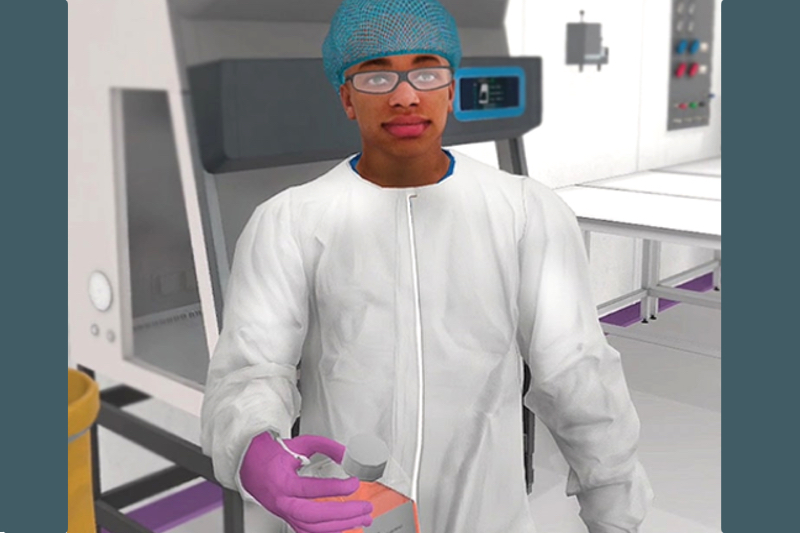
Current predictions say well over 100,000 new skilled staff will be needed in the next decade to sustain growth and replace retirees in the life science and medicines manufacturing sector.
The UK BioIndustry Association (BIA) has projected a shortfall of up to 133,000 skilled workers by 2030. With this demand being well over the current supply rate, something needs to happen. Jacqui Hall, Head of Early Careers, BioPharma R&D at AstraZeneca, told BIA that building a “strong domestic pipeline” is a key part of reaching this.
The cleanroom manufacturing step in the life science journey is key to this pipeline. Training staff for a cleanroom job can take a lot of time, effort, and resources. These resources can include the use of an actual cleanroom, and with cleanrooms being extremely expensive to run, training can be a huge investment.
So in basic terms, the less training time in the actual cleanroom needed, the better. However, lack of training can also cause costly mistakes. This conundrum is the one that most manufacturers face in their staffing efforts.
To address this conundrum, the cleanroom sector is starting to see the rise of virtual reality (VR) training systems. These systems are aimed to give employees time in a “virtual cleanroom”, going through the motions of what will be their job.
Professor Ivan Wall from the University of Birmingham is working on many fronts to address this issue. The professor has a PhD in cell and molecular biology studying wound healing, sparking a career focused on tissue repair, regeneration, and stem cell biology. With this expertise, Prof Wall also works as Co-Director of the Resilience scheme. The government-funded £4.3m UK Medicines Manufacturing Skills Centre of Excellence is a two-year scheme, launched in April 2023 and managed by Innovate UK.
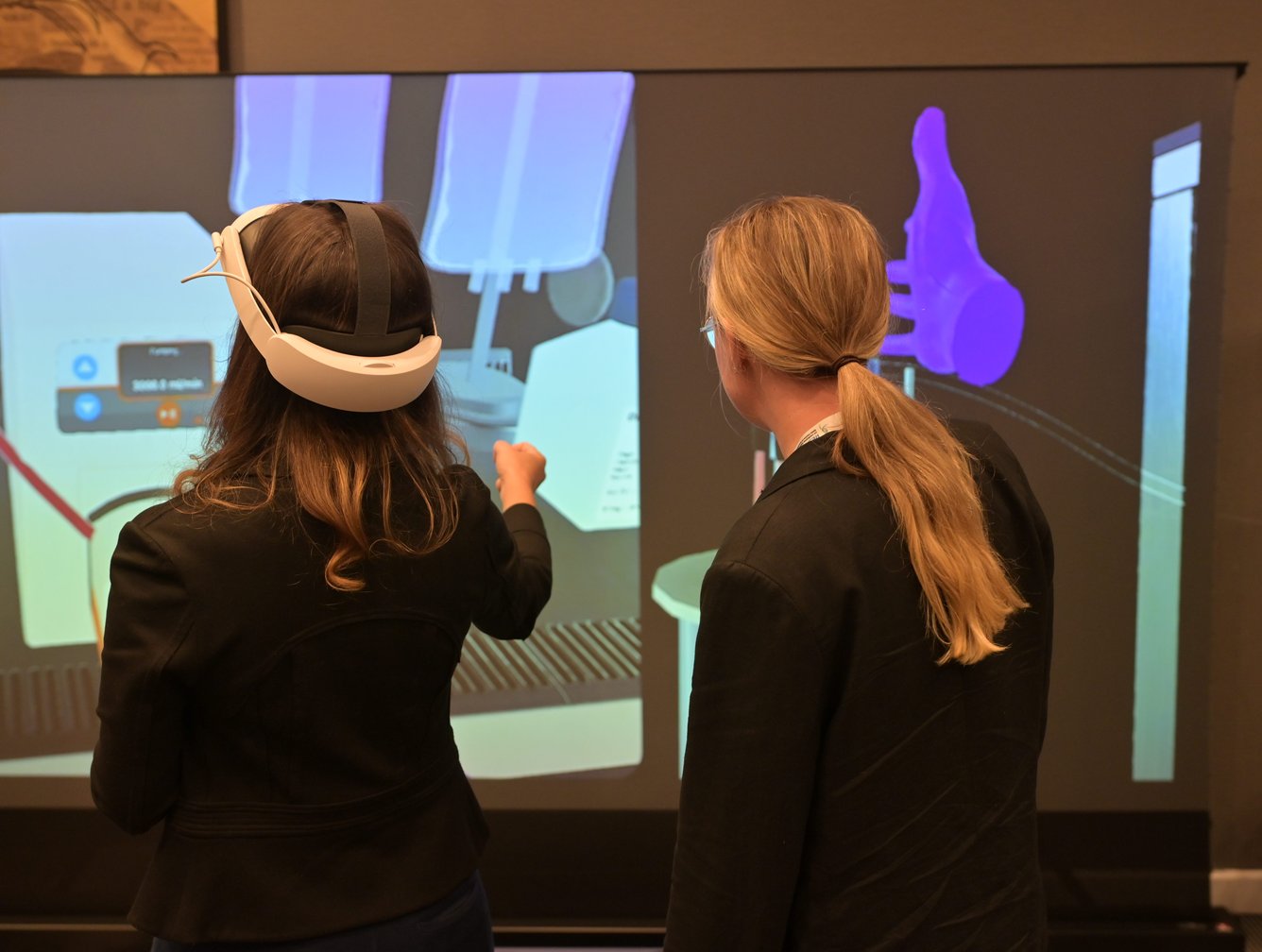
Using VR for cleanroom training
Resilience aims to bring together regional training providers to support the UK life sciences workforce by delivering high-quality training and outreach. This is where VR technology comes in, as Prof Wall is also Co-Founder of the VR software company, FourPlus.
FourPlus provides VR simulations, augmented reality (AR) tools, digital twins and standardised virtual laboratory training courses for educational purposes. Resilience has been working with FourPlus to train up candidates. Ivan explains in the 18 months the two have been working together, 13,500 people have received training, and delivered significant cost and material savings.
Unlike many VR platforms, which use remote controls in each hand and use a click-based system, FourPlus uses hand tracking.
This custom-built software provides a more realistic, muscle-memory experience compared to a click-based system. “You grab things, move them, and connect them the way you would in the real world,” Wall explains. “It’s a big step change in how people interact with the technology, and it will only get better as the tech evolves.”
Wall also explains that the exact skill set requirements for these jobs is shifting


