
The automation and digitisation breakthrough of the early 2000s enabled the unification of technology and the realisation of a new, holistic quality-by-design approach. This coincided with and supported the advent of ATMPs, which were a catalyst for manufacturers to redesign operations around quality-based advancements and automation that achieved risk reduction, higher yield, and end-to-end improvements.
These products led to a wholesale shift in cost evaluations, facility and operational design and supply chain dynamics, as manufacturers navigated smaller, high-value batches with truncated viability windows.
Today, GMP principles for automation and manufacturing have been solidified by the harmonised revised Annex 1. Now, nearly three years from its enactment, where does the industry stand on automated technologies for manufacturing and their implementation?
Annex 1 and beyond
The revised Annex 1 set the expectation for the life sciences industry to evolve and innovate on quality. The guideline’s holistic emphasis has been well covered, citing the need for a comprehensive contamination control strategy, advanced technology and automation, and robust solutions that prioritise product safety and quality, including the use of isolators and automated decontamination.
Three years in, manufacturers continue to navigate compliance, and, even with some of the guidance’s finer points still subject to healthy discussion (PUPSIT as a notable example), Annex 1 has clearly moved the industry at large towards automation and better sterility solutions. Barrier technology, in particular, was highlighted as an area of compliance focus. In the most recent PDA survey on Annex 1, and 75% of respondents reported at least 75% compliance with the regulation overall. The main driver towards more advanced barriers is sterility assurance.
The automated advancements in process monitoring, critical zone operations, data recording, and standardised technologies offered by an isolated, automated filling line are largely applicable to the cleanroom setting in general. The broader reality is that advanced automation makes GMP manufacturing more attainable, efficient and scalable.
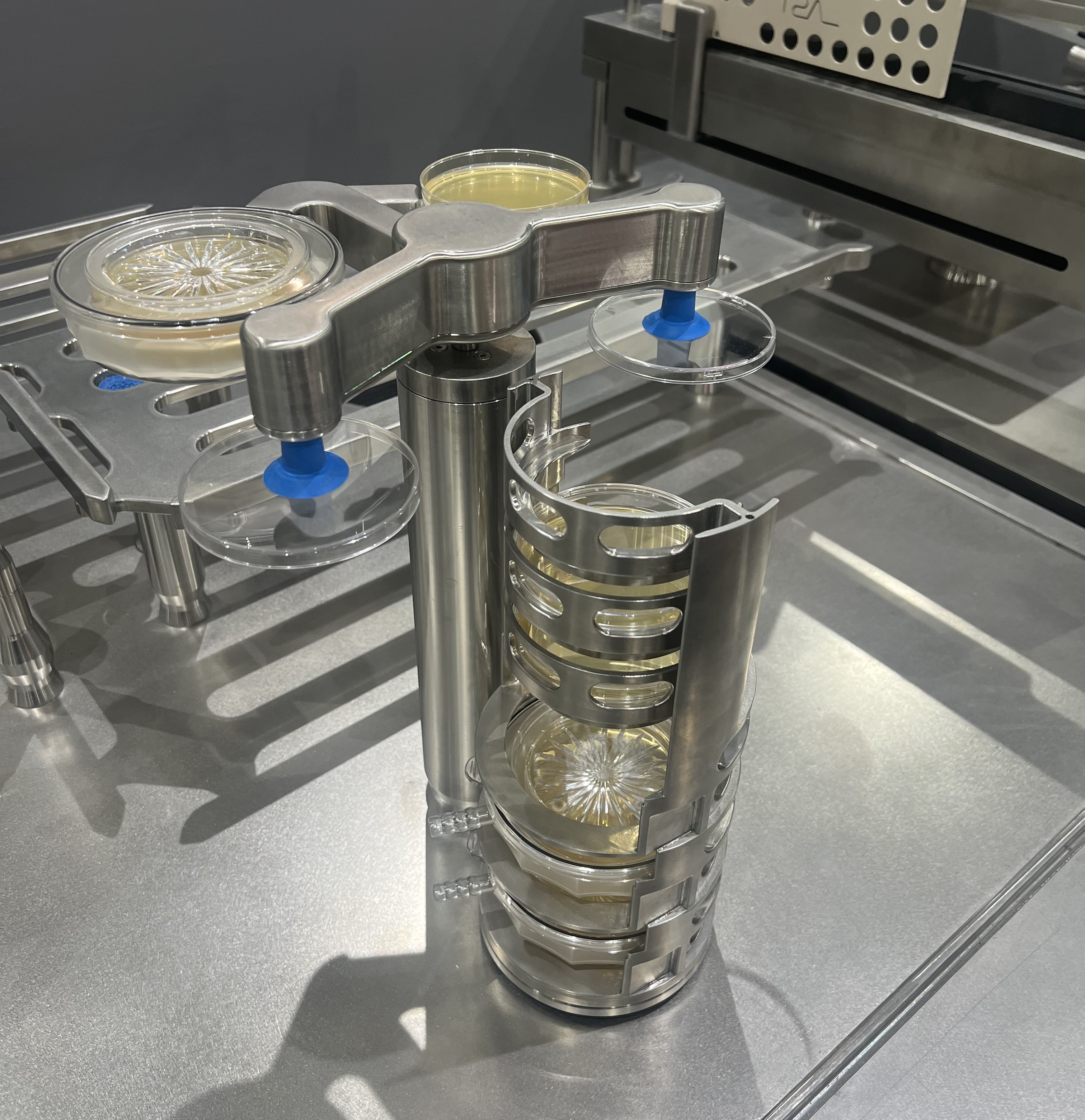
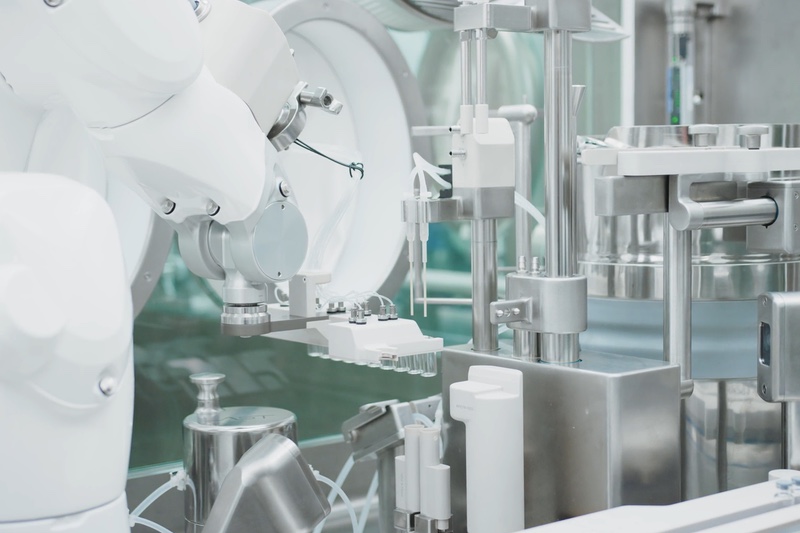
Image 1: Dispensing technology, visual and sensor checks, and improved throughput for 100% IPC processing all remain areas of focus in ensuring product quality and viability
Regulatory moves to codify automation and additional GMP expectations (Annex 15 on qualification and validation, with a forthcoming draft recommendation to move the guidance to a requirement for active drug substance manufacturing, and the revised Annex 11, which brings a higher level of risk analysis and compliance expectations for computerised systems) show there’s a clear thread of digitisation and automation through cGMP initiatives.
From breakthrough to maturity
The current state of automation would best be described as a balance between improving advanced, robust technologies and the exciting push to uncover new solutions or novel applications of proven technologies.
Many of the advancements in sterility, environmental and process monitoring, product dispensing, and yield continued to be improved upon, reaching new levels, while younger tech like virtual tools and AI largely remain in the preliminary stages.
The priorities and goals that were elevated with the introduction of automated solutions remain in play; the question now is how far the industry can go in implementation and process improvements.
The industry finds itself at a place where, while the advancements cited as part of Pharma 4.0 are well regarded for their potential applications to improve operational efficiency, augment critical aspects of drug development, and ultimately facilitate higher standards of quality, GMP principles and models for large-scale implementation are still in need.
Balancing practical with aspirational
An important principle that has served our team well is that there’s always crucial context that should inform a prospective solution, and that context is primarily provided by serving customers. The tension for stakeholders in the industry is harmonising innovative initiatives that, in concept, have substantial benefits, but in practice, require technologies or capabilities that may not yet be available to constitute fully realised, robust solutions.
An example of this tension is gloveless operations for isolated fill-finish systems, which continues to be a popular area of focus across the industry.
Conceptually, gloveless systems address the greatest source of contamination (the operator), but, in operational settings, still face challenges in verifiably accounting for unpredictable or catastrophic scenarios.
Real-world feedback has led to some systems implementing suboptimal workarounds, such as an optional “as-needed” installable glove via an RTP, demonstrating why solutions need to be designed to the reality of operation, the workflow and skill levels of operators, and ultimately product requirements.
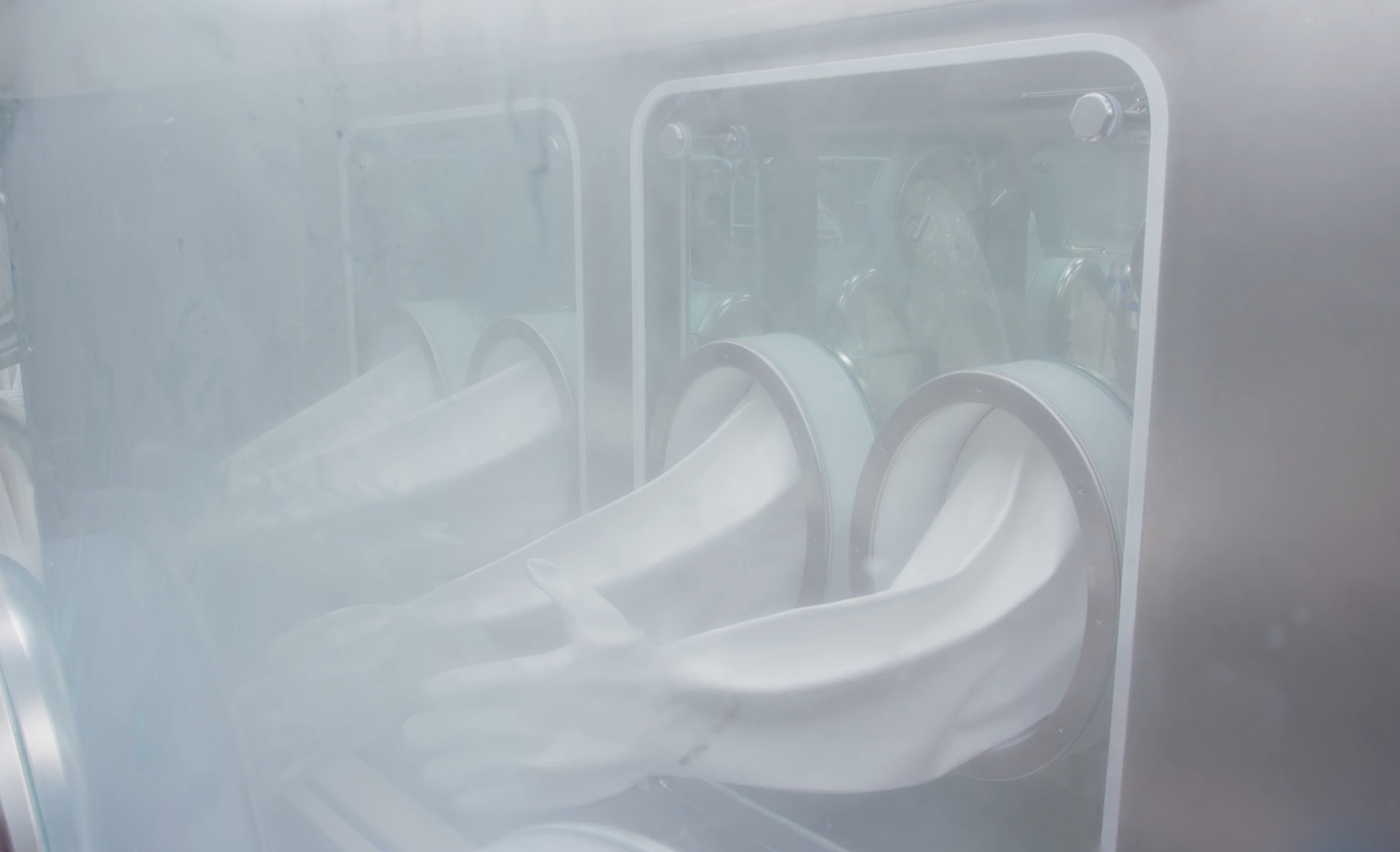
Image 2: Annex-1 compliant automated decontamination technology applying low concentration Vapor Phase Hydrogen Peroxide
The unique nature of ATMPs, in particular, represents a distinct challenge. Having a strong understanding of the process requirements and commonalities between identified challenges is essential. From that foundation, you can begin to innovate.
In aseptic filling, far more than the operation of a specific feature or solution comes into play. Any innovation must incorporate additional elements required for aseptic applications, including materials of construction, surface finishes, cleanability, airflow, particle emissions, sterilisation (if product-contacting), ease of disassembly, and required operator interventions.
Key areas of focus
Advancement in yield-optimising solutions: A key aspect of innovation going forward will be maximising processing capabilities. When discussing high-value parenterals, this includes zero-waste approaches to fluid-dispensing technology and the wider scope of product stewardship, the methods and means by which we ensure the product’s quality and viability from the moment production begins until it reaches the patient.
Technology will continue to improve from sensor-driven pump calibration and priming, monitored and predictive maintenance, process redundancies, and advancements in IPC methodologies that continue to improve processing throughput.
Decreasing risk and improving connectivity: Automation will continue to enable ways to decrease risk in the design and implementation of aseptic processing. Planned and unplanned interventions will continue to be a point of emphasis, with more advancements in robotic processing, automation for routine actions like environmental monitoring plate maintenance, and new line processing designs that minimise the possibility of faults continuing to be developed.
As automation and comprehensive data frameworks are universally applied to facility design, advancements like 24-hour production, remote monitoring and operations, and the use of technologies like digital twin will come into focus. As these mature, they’ll work towards more robust, efficient operations. Modular standardised tech has scaled effectively beyond equipment to the cleanroom and facility, and can now support decentralised manufacturing.
Process advancements like feedback-optimised low-concentration decontamination systems drastically increase machine uptime and improve operator safety. The progression of automated GMP technologies dovetails with the life of the operator, as biopharmaceutical manufacturing remains at its core human-driven.
Top image: Dispensing technology, visual and sensor checks, and improved throughput for 100% IPC processing all remain areas of focus in ensuring product quality and viability. Image credit: Copyright © 2026 AST, LLC


