
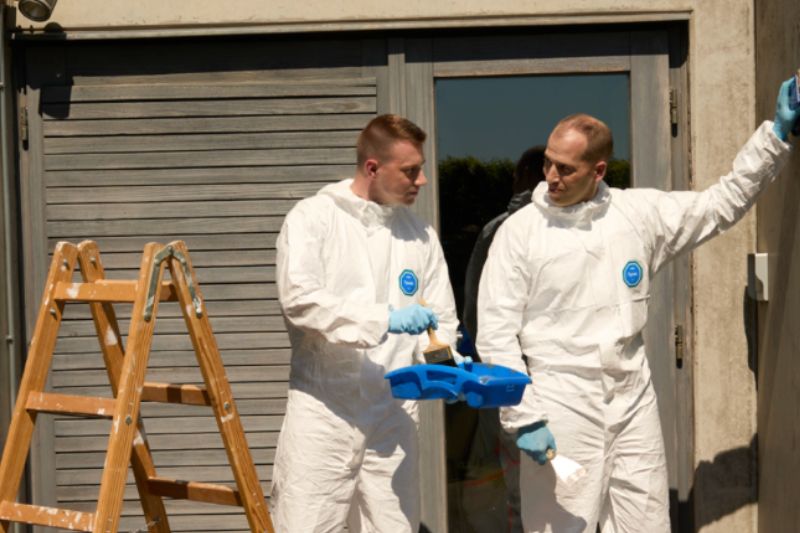
DuPont has unveiled a new disposable protective coverall designed for cleanrooms, containment, and other high-hazard environments.
The garment delivers the same levels of protection and comfort as the original Tyvek (registered trademark) 500 Xpert while significantly cutting its environmental impact.
“We realised that integrating bio-circular materials into our fabric manufacturing would result in a measurable improvement on the product climate impact performance,” Karansingh Gunjal, EMEA Marketing Specialist at DuPont, told Cleanroom Technology.
Data-driven sustainability
The launch follows an independent lifecycle assessment (LCA) of Tyvek production, which highlighted environmental impact hotspots across raw materials, manufacturing, use and disposal.
The garment reduces climate impact by over 50%, according to lifecycle assessments.
“A Life Cycle Assessment allowed us to find the environmental impact hotspots in our supply chain, from raw materials to disposal,” said Gunjal.
The coverall’s high-density polyethylene is derived from biological waste, including used cooking oils and agricultural residues, avoiding competition with food crops.
Biogenic carbon in the material does not contribute to net emissions when managed sustainably.
The coverall is made at DuPont’s certified facility in Luxembourg, and the materials are fully traceable from source to finished product.
“We are already implementing changes in the packaging, including digitalising the IFU, and our next focus is the polymer used in the fabric,” said Gunjal.
Protection and performance
Designed for industrial, lab, and cleanroom operators, the coverall provides certified protection against biological hazards, radioactive contamination, static electricity, and hazardous chemicals.
“Safety considerations directly influence sustainability choices,” Gunjal added. “Reusable garments may not always be suitable, and where contamination occurs, garments must be disposed of to maintain protection.”
The garment features low inward leakage, stitched seams, elasticated cuffs, waist, and ankles, and an integrated hood compatible with respirators.
Lightweight and breathable, it allows flexibility and comfort for extended wear.
Non-contaminated garments can be recycled where facilities exist via DuPont’s Tyvek protective apparel recycling program.
Gunjal also noted the market demand driving the innovation: “We send out regular surveys to our customers, and apart from safety, sustainability was consistently ranked as an important product feature.”